If eye drops have become a permanent fixture on your desk, in your bag, and on your nightstand, your eyes may be telling you something. Dry eye has many possible causes—from environmental factors and screen habits to underlying health conditions and medication side effects. The key to effective treatment is identifying what’s causing your symptoms.
Common causes of dry eyes
Environmental factors
One of the most common causes of dry eyes is exposure to environmental factors such as dry air, wind, and dust. If you spend a significant amount of time in air-conditioned rooms or live in a dry climate, you may be more susceptible to developing dry eyes.
To combat this, consider using a humidifier in your home or office to add moisture to the air. Additionally, wearing wraparound sunglasses when outdoors can help protect your eyes from wind and dust.
Eye strain
People of all ages are spending an increased amount of time in front of screens. Staring at screens for too long can lead to eye strain, which includes dry eye as a symptom.
When we stare at a computer screen, we blink less, causing our eyes to feel dry and uncomfortable. To prevent this, follow the 20-20-20 rule. Every 20 minutes, take a 20-second break and look at something 20 feet away to give your eyes a chance to rest.
Medications
Some medications can have side effects that lead to dry eye as well. Antihistamines, decongestants, antidepressants, and birth control pills are just a few examples of medications that may cause decreased tear production or changes in tear composition. If you think your medications are causing dry eyes, talk to your doctor about possible alternatives or solutions.
Medical conditions
Certain medical conditions, such as rheumatoid arthritis, diabetes, thyroid problems, or allergies, can also contribute to dry eyes. If you have an underlying medical condition that could be causing your dry eye symptoms, it’s important to work with your healthcare provider to manage the condition and relieve your discomfort.
Aging
As we get older, our bodies produce fewer tears, leading to an increased risk of developing dry eye syndrome. Hormonal changes in women during menopause can also contribute to dry eyes.
If you’re over 50 and struggling with dry eyes, ask your eye doctor about using artificial tears or prescription medications to keep your eyes lubricated.
Contact lens wear
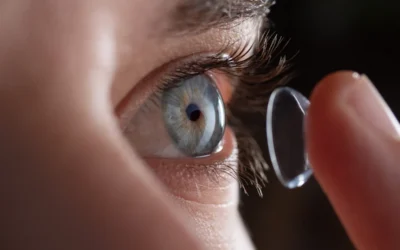
Extended contact lens wear is a common but often overlooked contributor to dry eye. Lenses sit directly on the tear film, absorbing moisture and reducing oxygen flow to the cornea over time. Patients who wear contact lenses for long hours or sleep in their lenses have an even higher risk of chronic dryness and irritation.
If contacts are making your dry eye worse, your doctor may recommend switching to a daily disposable lens designed for dry eye or exploring other vision correction options.
Eyelid dysfunction (meibomian gland dysfunction)
The meibomian glands, located along the eyelid margins, produce the oils that form the protective outer layer of your tear film. When these glands become blocked or inflamed—a condition called meibomian gland dysfunction (MGD)—that oil layer breaks down, causing tears to evaporate too quickly.
MGD is one of the leading causes of chronic dry eye and often goes undiagnosed without a thorough lid evaluation.
Previous eye surgery
Patients who have undergone LASIK or other refractive surgeries sometimes experience dry eye as a side effect. These procedures can reduce corneal sensitivity for a period of time, which disrupts the normal feedback loop that signals the eyes to produce tears. In most cases, symptoms improve as healing progresses, although some patients require ongoing dry eye management.
Don’t wait to seek professional care
If you’re struggling with chronic dry eye, it’s important not to ignore these symptoms as they can impact your overall eye health and quality of life. By making lifestyle changes or seeking treatment from an eye care professional if necessary, you can find relief from discomfort and improve your eye health!
At Integrity Eye Care, our dry eye specialists in Murfreesboro can recommend the best treatment options for your unique needs during your next eye exam. These can include eye drops, lifestyle changes, and other strategies designed not just to treat your symptoms but also to address the underlying cause. Schedule your appointment today and start seeing more clearly and comfortably!