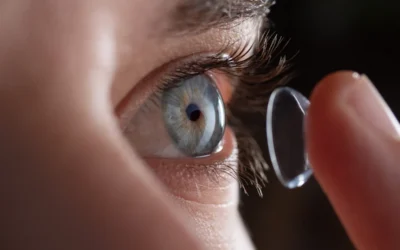
If your vision occasionally goes blurry and your eyes often feel dry or uncomfortable, those two issues are likely connected. Dry eye syndrome affects the tear film—the thin, protective layer that coats the surface of your eye. When that layer is unstable, clear vision becomes harder to maintain.
Left unmanaged, dry eye can also cause lasting damage to the surface of your eyes. In this post, we share how dry eye can affect vision and what treatment options are available.
How dry eye causes blurry vision
Your tear film forms the outermost focusing surface of your eye. This thin, three-layered film of oil, water, and mucus needs to stay stable for light to pass through clearly. When dry eye disrupts that stability, the optical surface becomes irregular, and vision fluctuates as a result.
That’s why dry eye-related blurriness often comes and goes rather than staying constant. Symptoms tend to worsen during activities that reduce your blink rate, such as screen use, reading, or driving. They can also become more noticeable in environments that increase tear evaporation, like air-conditioned rooms or windy outdoor conditions.
Blinking temporarily restores clarity by spreading tears evenly across the eye’s surface. However, without a stable tear film, that clear vision doesn’t last for long.
Other symptoms of dry eye syndrome
Blurry vision is one of the more overlooked signs of dry eye. Other symptoms your doctor will ask about include:
- Stinging, burning, or a gritty sensation
- Redness or irritation
- Sensitivity to light
- A feeling of something in your eye
- Watery eyes (reflex tearing)
- Fluctuating vision that temporarily improves with blinking
If several of these symptoms feel familiar, it may be time to discuss dry eye with your eye doctor, especially if they have lasted for more than a few weeks.
Treatment options for dry eye and blurry vision
Treatment depends on the severity of your dry eye and what’s causing it. Your eye doctor may recommend a combination of the following:
- Artificial tears or lubricating drops. Over-the-counter options work well for mild symptoms. Your optometrist can recommend a formulation based on whether your dry eye is aqueous-deficient or evaporative.
- Warm compresses. Applying warmth to closed eyelids helps loosen blocked oil glands along the eyelid margin, improving the lipid layer of the tear film.
- Screen habits and blinking. Taking regular breaks from screens and making a conscious effort to blink fully can reduce tear evaporation during prolonged near work.
- Environmental adjustments. A humidifier at home or at work can help in dry indoor environments.
- Prescription treatments. For moderate to severe dry eye, your eye doctor may recommend anti-inflammatory eye drops, punctal plugs, or in-office procedures to address the underlying cause.
Dry eye is a chronic condition for many patients, which means consistent management matters more than any single remedy. The right treatment plan is one tailored to your specific tear film profile—something only an eye doctor can determine after a comprehensive eye exam.
Get expert care for blurry vision and eye discomfort
Blurry vision and chronic eye discomfort are manageable with the right care. Our dry eye specialists in Murfreesboro can help you find relief and protect your eye health for years to come. Schedule your appointment today and leave with a treatment plan tailored to your needs.