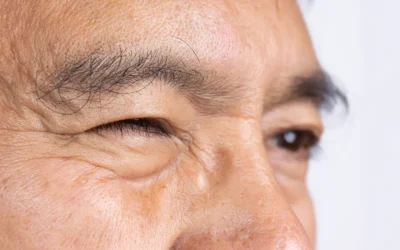
Do your eyes ever water for no reason? Are they often dry, itchy, or scratchy? If so, you might have dry eye syndrome. It’s a common condition that happens when your eyes don’t make enough tears or when your tears are of poor quality.
As the name suggests, dry eye causes dryness in the eyes, but it can also cause a range of other symptoms, including stinging, burning, and irritation. What surprises many people is that dry eyes can also lead to watery eyes. In this blog post, we’ll talk about how dry eye can cause this unexpected symptom and share tips for finding relief.
How does dry eye lead to watery eyes?
While it may seem counterintuitive, watery eyes can be a symptom of dry eye syndrome. When your eyes get dry, your body tries to compensate by producing too many tears. It’s called reflex tearing. These tears are watery and give you temporary relief, but they don’t last long, leaving your eyes dry again.
Causes of dry eye syndrome
Dry eye has many possible causes, and for some patients, several factors are at play at the same time. Common contributors include:
- Medical conditions. Autoimmune disorders like rheumatoid arthritis and Sjögren’s syndrome are strongly associated with chronic dry eye.
- Age. Tear production naturally decreases as we get older, making dry eye more common in patients over 50.
- Hormonal changes. Fluctuations related to pregnancy, menopause, or thyroid conditions can affect tear quality and production.
- Medications. Antihistamines, antidepressants, blood pressure medications, and decongestants are among the most common culprits.
- Environmental factors. Air conditioning, heating, low humidity, and prolonged screen time all accelerate tear evaporation.
Other causes of watery eyes
Dry eye is a leading cause of watery eyes, but it isn’t the only one. If your eyes water frequently, your eye doctor will consider a few other possibilities:
- Allergies. Seasonal and environmental allergies can irritate the surface of the eyes, triggering inflammation and causing your eyes to produce excess tears. Watery eyes from allergies often occur alongside other symptoms such as itching, redness, and swelling.
- Blepharitis. Inflammation along the eyelid margin can disrupt the tear film and irritate the eye’s surface, leading to excessive tearing even when the underlying problem is dryness.
- Blocked tear ducts. Tears normally drain through small ducts near the inner corner of the eye. When those ducts are blocked or narrowed, tears have nowhere to go and spill onto the face.
- Eye infections. Conjunctivitis (pink eye) and other infections can cause significant watering alongside redness, discharge, and discomfort.
- Environmental irritants. Wind, smoke, dust, and bright light can all trigger a temporary tearing response as the eye tries to flush out the irritant.
- Eyelid problems. Entropion (eyelid turning inward) and ectropion (eyelid turning outward) both interfere with normal tear drainage and can cause chronic watering.
Because several of these conditions can look alike, an accurate diagnosis from your eye doctor is the most important first step toward effective treatment.
Treatment for watery eyes
Treatment for dry eye syndrome will depend on what’s causing it. Treatment options may include artificial tears, prescription eye drops, warm compresses, and medications to treat inflammation.
Lifestyle changes like using a humidifier, taking breaks from screens, and wearing sunglasses to protect your eyes from wind and other irritants can also help. Additionally, increasing your intake of omega-3 fatty acids can improve your eye health and reduce dry eye symptoms.
Relieve watery, dry, & irritated eyes
While dry eye syndrome can be uncomfortable and frustrating, there are many treatment options available that can provide relief and improve your eye health. If you’re experiencing symptoms of dry eye syndrome, it’s important to schedule an eye exam with an experienced eye doctor who can evaluate your condition and recommend the right treatment for you.
Our eye doctors in Murfreesboro offer a range of treatment options that target the underlying cause and provide long-term relief. Don’t let dry eye syndrome affect your quality of life—schedule an appointment with us today!