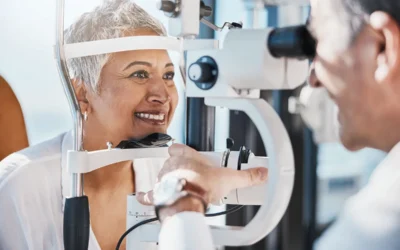
Most of us assume our eyes are “fine” until something feels obviously wrong. But many eye diseases develop quietly, and by the time symptoms are unmistakable, treatment can be more complicated. That’s why a comprehensive eye exam matters even when you think your vision hasn’t changed much.
Below are some early warning signs that deserve attention, plus what they might mean and why acting sooner can protect the vision you rely on every day.
Subtle vision changes you shouldn’t brush off
Tiny changes can be easy to ignore because they don’t always stop you from driving, working, or scrolling. Still, they can signal problems like cataracts, glaucoma, macular degeneration, or diabetic eye disease.
Pay attention if you notice:
- Blurry vision that comes and goes (especially in one eye)
- Needing brighter light to read comfortably
- Trouble seeing at night or increased glare from headlights
- Colors looking less vivid than they used to
- Straight lines looking wavy or distorted
- A “film” or haze that doesn’t clear with blinking
If you’re swapping between pairs of readers, increasing phone font sizes, or avoiding night driving, those everyday adjustments can be your sign to get checked.
Flashes, floaters, and sudden changes that require urgency
Some symptoms shouldn’t wait for “next month” or “after the holidays.” Sudden changes can indicate retinal problems that are time sensitive.
Call right away if you experience:
- New flashes of light (like camera flashes or lightning streaks)
- A sudden shower of floaters
- A dark curtain or shadow in your peripheral vision
- A sudden drop in vision in one eye
Floaters can be common, but new or sudden ones (especially with flashes) deserve prompt evaluation by an eye doctor to rule out a retinal tear or detachment.
Eye discomfort that keeps returning
Occasional irritation happens. Persistent discomfort is different, especially if it’s becoming part of your routine.
Watch for patterns like:
- Burning, stinging, or gritty sensations most days
- Eyes that water excessively
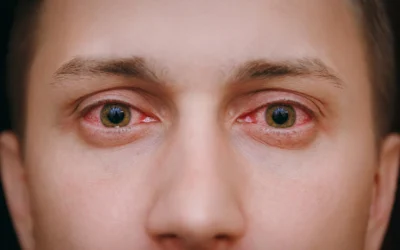
- Frequent redness that keeps coming back
- Pressure around the eyes or headaches tied to visual tasks
- Sensitivity to light that seems new
Chronic dryness, inflammation, or eye pressure concerns can sometimes point to underlying conditions that are easier to manage when caught early.
Changes in your eye’s appearance
If something looks different in the mirror, it’s worth trusting that instinct.
Consider an exam if you notice:
- A new spot on the white of the eye or on the iris
- Eyelid swelling, crusting, or lashes falling out
- One pupil looking larger than the other
- Eyes that appear more “bulgy” than usual
- Droopy eyelid that’s new or worsening
These changes can be harmless, but they can also be signs of infection, eyelid disease, thyroid eye disease, or other concerns that can benefit from medical evaluation.
Protect your sight with a proactive plan
You only get one set of eyes, and small warning signs are often your body’s way of asking for support. If you’ve noticed changes—especially sudden ones—or you’ve been putting off an eye exam because life is busy, now is a smart time to prioritize it.
Schedule an appointment with Integrity Eye Care to get answers, protect your long-term vision, and feel confident about what you’re seeing (and what you might be missing).